Safety Data Silos: When Your Safety Team Becomes the Integration Layer
Safety teams often become the connection between disconnected systems. ASIP was built to bring the records together so people can spend more time acting on them.

Levi Blount, MS, CSP, SMP
Founder & CEO, ASIP Technologies, Inc.2 min read
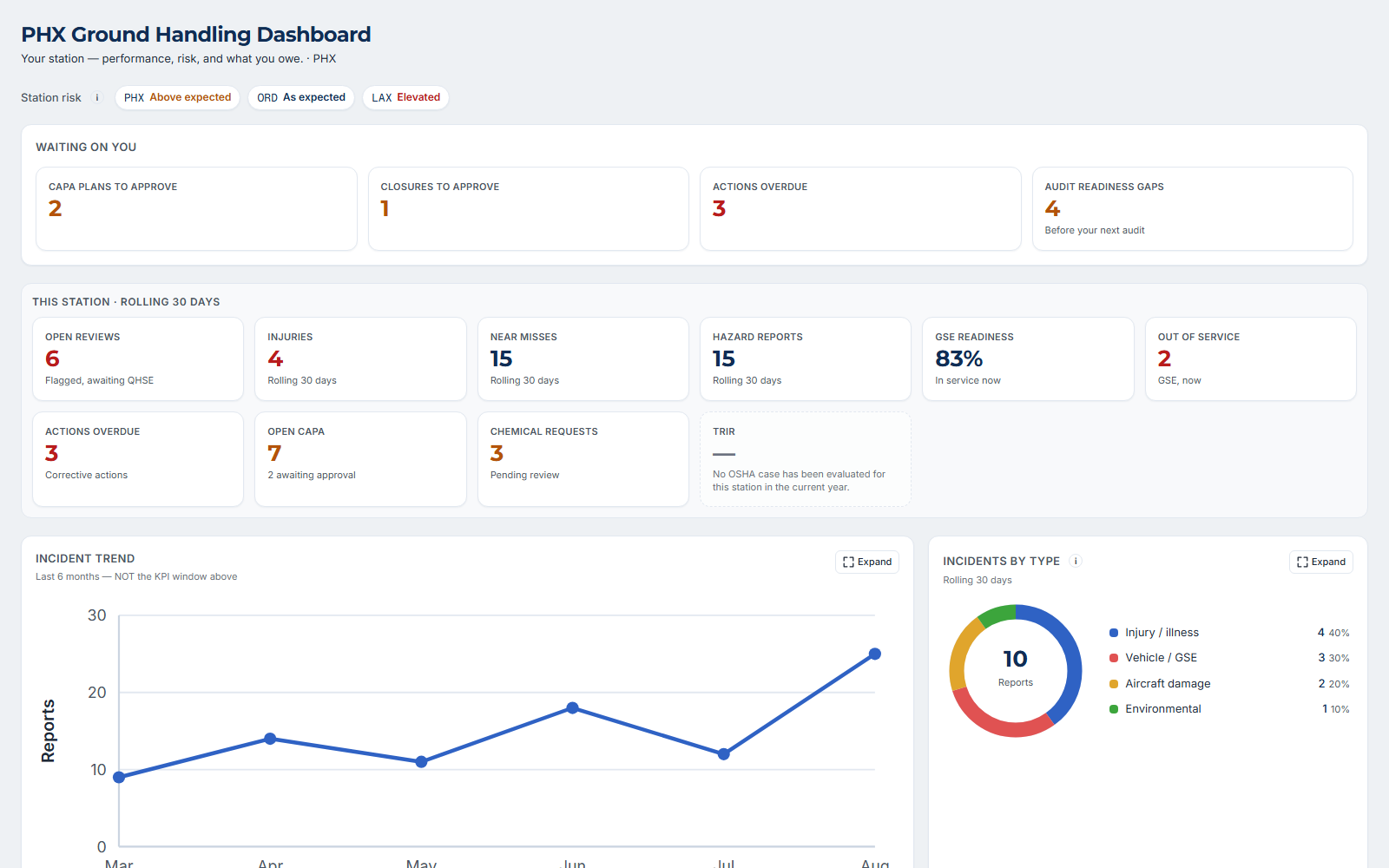
The report is in the incident system. The inspection needs another login. The training record sits elsewhere. Then the general manager asks: “Have we seen this before?”
Answering becomes a project.
That is the problem with safety data silos. The information exists, but connecting it depends on someone finding the records, checking they describe the same thing and explaining what they mean.
The hidden job in the safety department
ASIP's founder, Levi Blount, experienced this while leading QHSE across the United States and Canada for a global aviation ground-handling company.
A customer needed an incident update. A station manager needed the open actions. Executives needed a network view. Investigators needed inspection history, training records and evidence.
Each request drew on related information held in different places. The people connecting it also had operations to visit, inspections to conduct and investigations to support.
The bottleneck was the time available to do all that work.
A dashboard still needs a connected record
A dashboard can show a trend. Understanding it may still require several exports, a spreadsheet and a phone call to the person who knows the history.
Consider a hypothetical equipment-contact event. The incident report describes damage. An earlier inspection records a fault. Training records explain the operator's qualifications. A previous corrective action shows what was supposed to change.
Together, those records help an investigator test possible explanations. They do not establish the cause automatically.
The useful question is whether the evidence is available when someone needs to make a decision.
Different people need different answers
A shared record should support the responsibilities of each person using it.
| Role | What they need |
|---|---|
| Frontline employee | A clear way to report and find relevant instructions |
| Supervisor | Open conditions and the next action |
| General manager | Unresolved issues, owners and resource decisions |
| Safety professional | Evidence, repeat patterns and follow-up |
| Executive leadership | Material exposure and decisions needing support |
Those views should draw on consistent information while respecting access boundaries. An operational summary does not need to reveal every personal detail in an investigation.
What ASIP is built to change
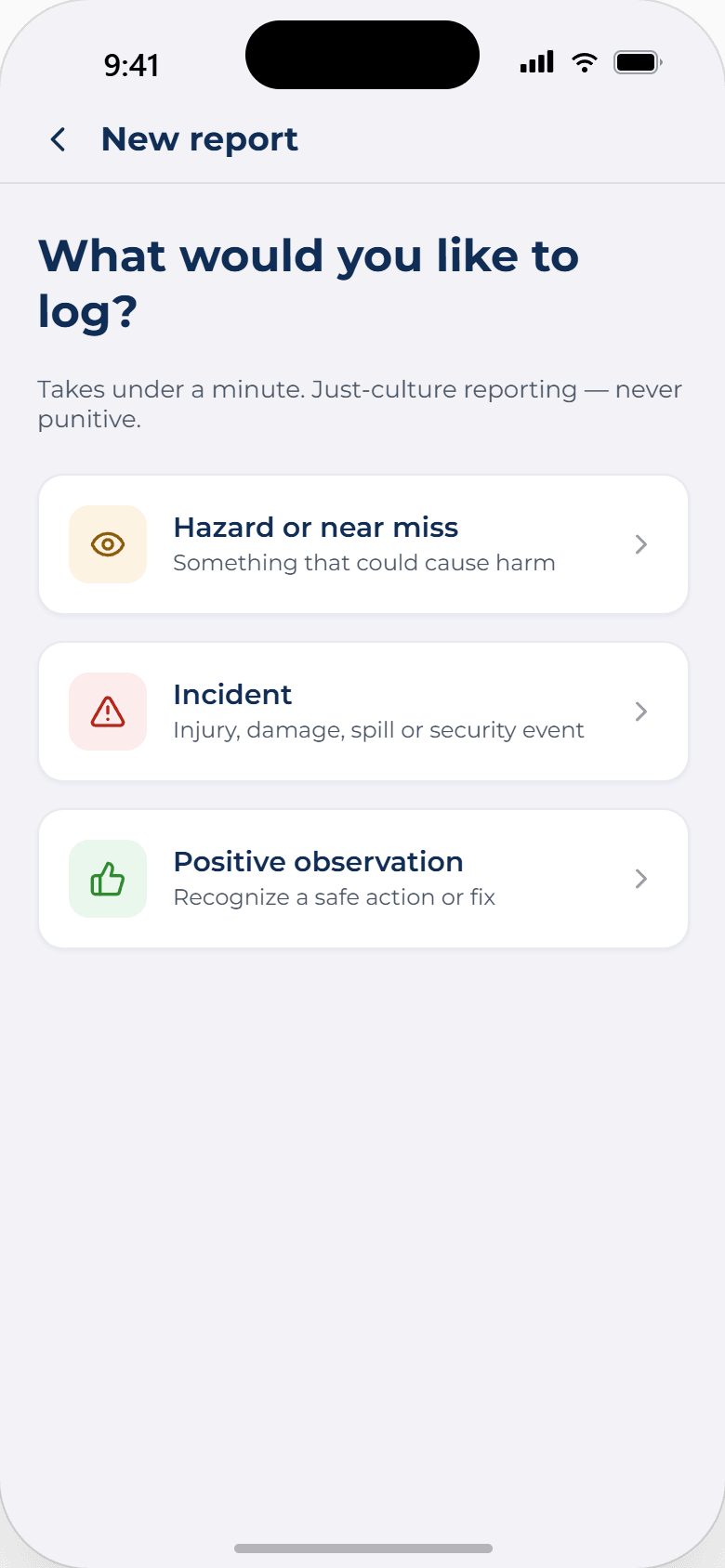
ASIP, the Advanced Safety Intelligence Platform, connects reporting, inspections, investigations, corrective actions and relevant operational records.
The aim is to make the handovers easier: from a worker raising a concern to a reviewer checking it, an owner taking action and a manager examining the result.
Positive contributions belong in that picture too. Safety information should help an organization recognize good work as well as address problems.
AI-assisted analysis supports the process. Accountable people still review the evidence and make consequential decisions.
Start with one reporting problem
Before changing systems, follow one recent issue from the first report to the final follow-up.
Where was information entered twice? Who had to chase an update? How was the action linked to the original concern? What evidence showed that the response worked?
Then ask:
Which part of this process works because one experienced person knows where everything is?
Their answer is a useful starting point for improving the system around them.