AI in Safety Management: Seven Data Questions Every Buyer Should Ask
Ask better questions about model training, processing, retrieval, access, evidence, human decisions and retention before buying AI-enabled safety software.

Levi Blount, MSc., CSP, SMP.
Founder & CEO, ASIP Technologies, Inc.2 min read
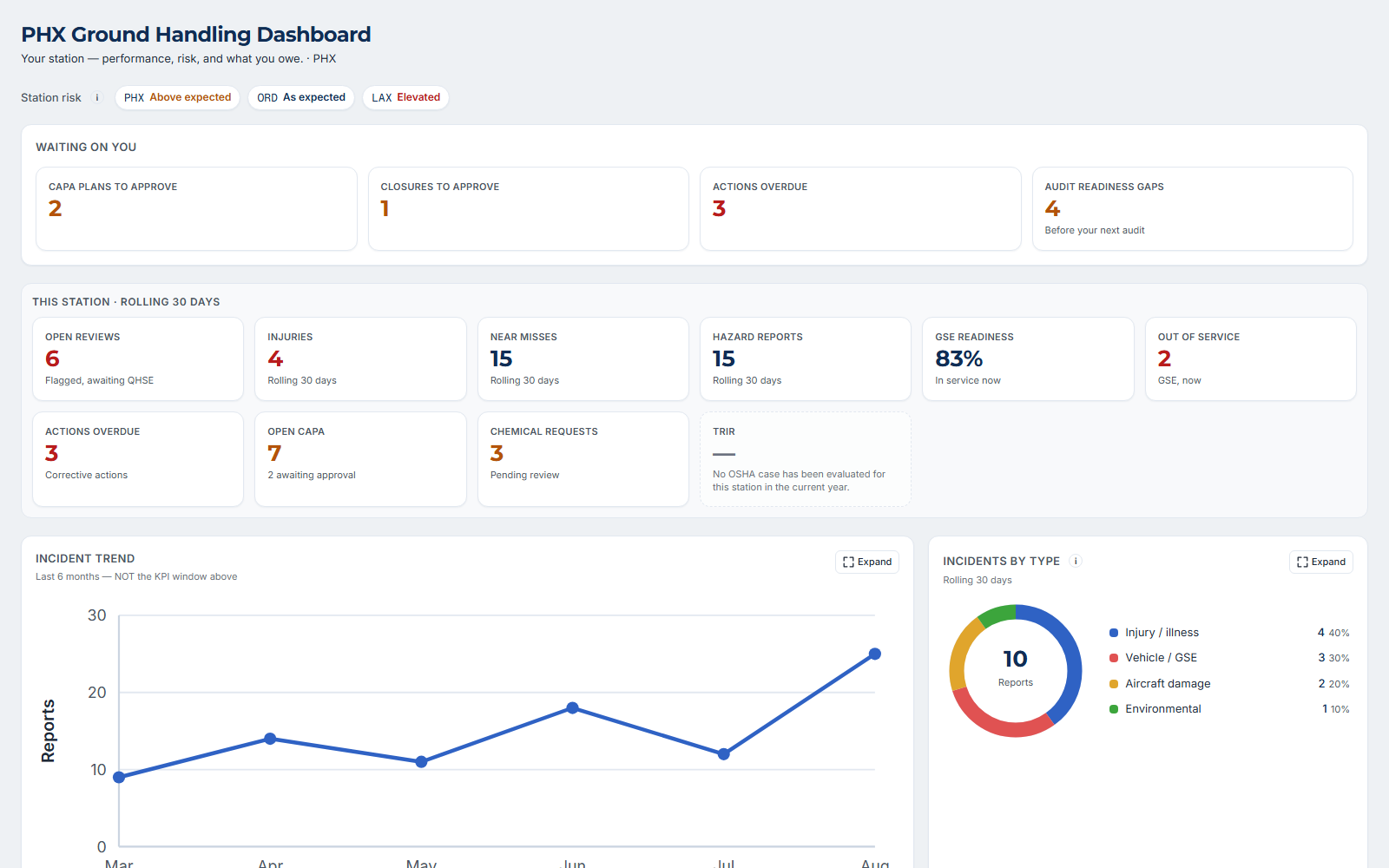
A safety report can contain a name, an injury, a photograph and an allegation that has not been tested. Adding AI makes the questions about that record more specific.
“Private AI” is a starting description. Here are seven questions to ask any provider, including ASIP.
1. Is our content used to train a model?
Get the answer in writing, including exceptions and subprocessors. Processing a document to answer a question differs from changing model weights. Retaining chat history is another activity again.
ASIP's operating policy excludes real customer content from model training. Read the AI Customer Notice alongside the applicable customer agreement for contractual scope and exceptions.
2. Where is the information processed?
Ask about normal operation, outages and capacity limits. Database location alone does not explain where requests, attachments or derived search data are processed.
ASIP uses private AI infrastructure. Confirm deployment-specific regions and any approved cloud processing in writing. Avoid assuming “private” means every request stays on your own premises.
3. What does the AI retrieve?
Retrieval supplies information to a model when it prepares an answer. That does not establish that the source is current, authorized or applicable.
Ask how the system handles revised procedures, withdrawn documents, drafts and material belonging to another site.
4. Does access follow the user's authority?
Someone who can ask a question should not automatically see every record that could help answer it.
Test company, site, role and sensitivity boundaries with authorized demonstration data. An operational summary should not expose a restricted medical record.
5. What evidence can we inspect?
Ask how users distinguish source facts, calculations, suggestions and uncertainty. Where a source is supplied, check that it supports the claim.
Test missing and contradictory evidence. One cited answer does not establish that every interaction provides citations or that the answer is correct.
6. Who makes the decision?
Ask the provider to demonstrate the approval step: who can accept, modify or reject a recommendation, and what is recorded?
ASIP's principle is that AI supports the work while authorized people decide. Investigation findings, corrective-action approval and consequential decisions require accountable human review.
7. What is retained, and for how long?
Separate safety records, chat history, temporary processing material, logs and derived search data. Ask who controls retention, how deletion affects related copies and what exceptions apply.
A short chat-retention promise does not mean the underlying incident record disappears.
Make the answers usable
Record each answer, its supporting document, the responsible person and any unresolved issue. Safety, IT and procurement should understand the same commitment.
Bring these questions to the demonstration. A useful feature should help people work with evidence while respecting the boundaries around it.