Ground Handling Safety: The Risk Hidden in the Handover
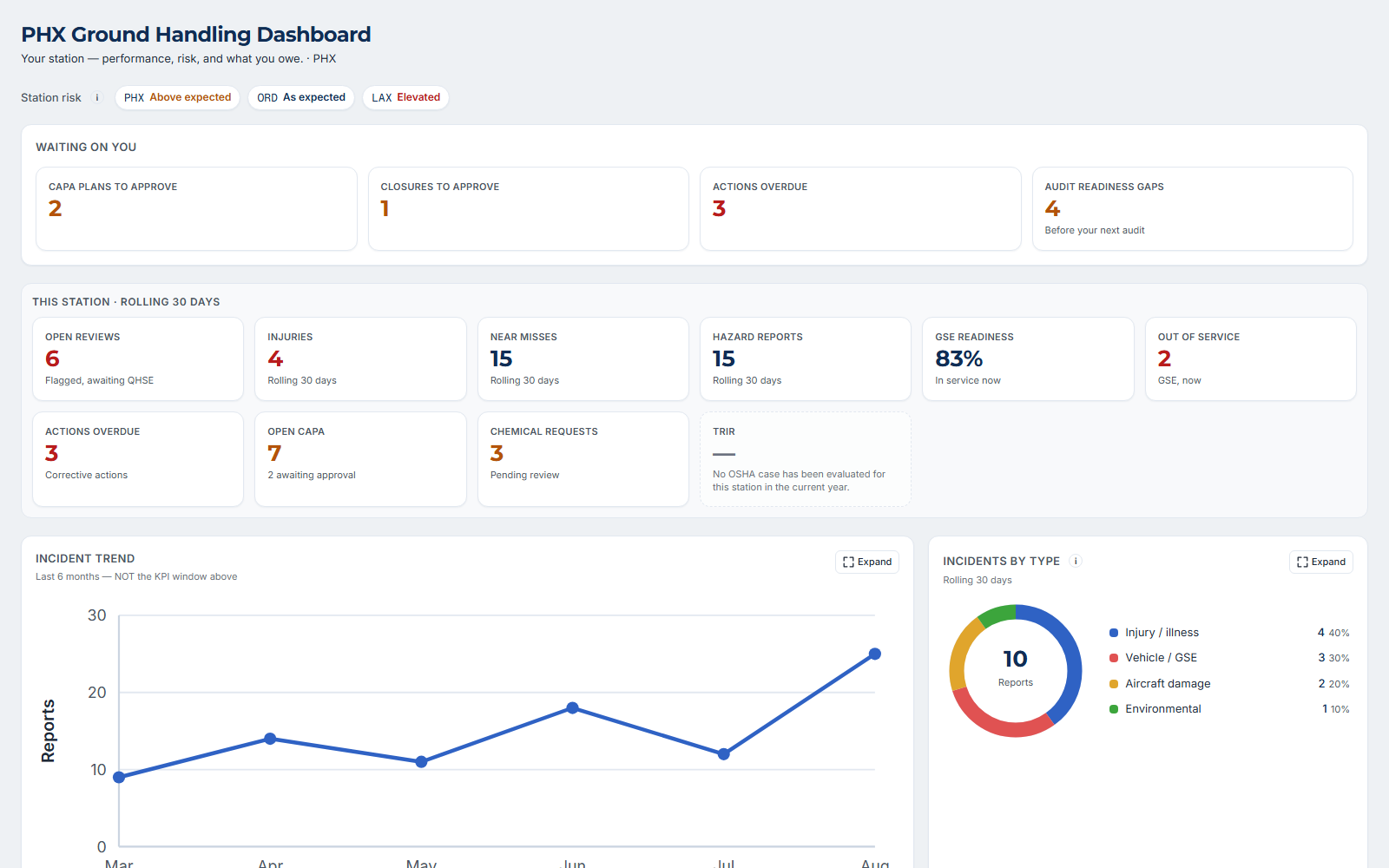
Connect unresolved conditions, staffing constraints, operational changes and action owners so the next shift can act on the right information.

Levi Blount, MSc., CSP, SMP.
Founder & CEO, ASIP Technologies, Inc.2 min read
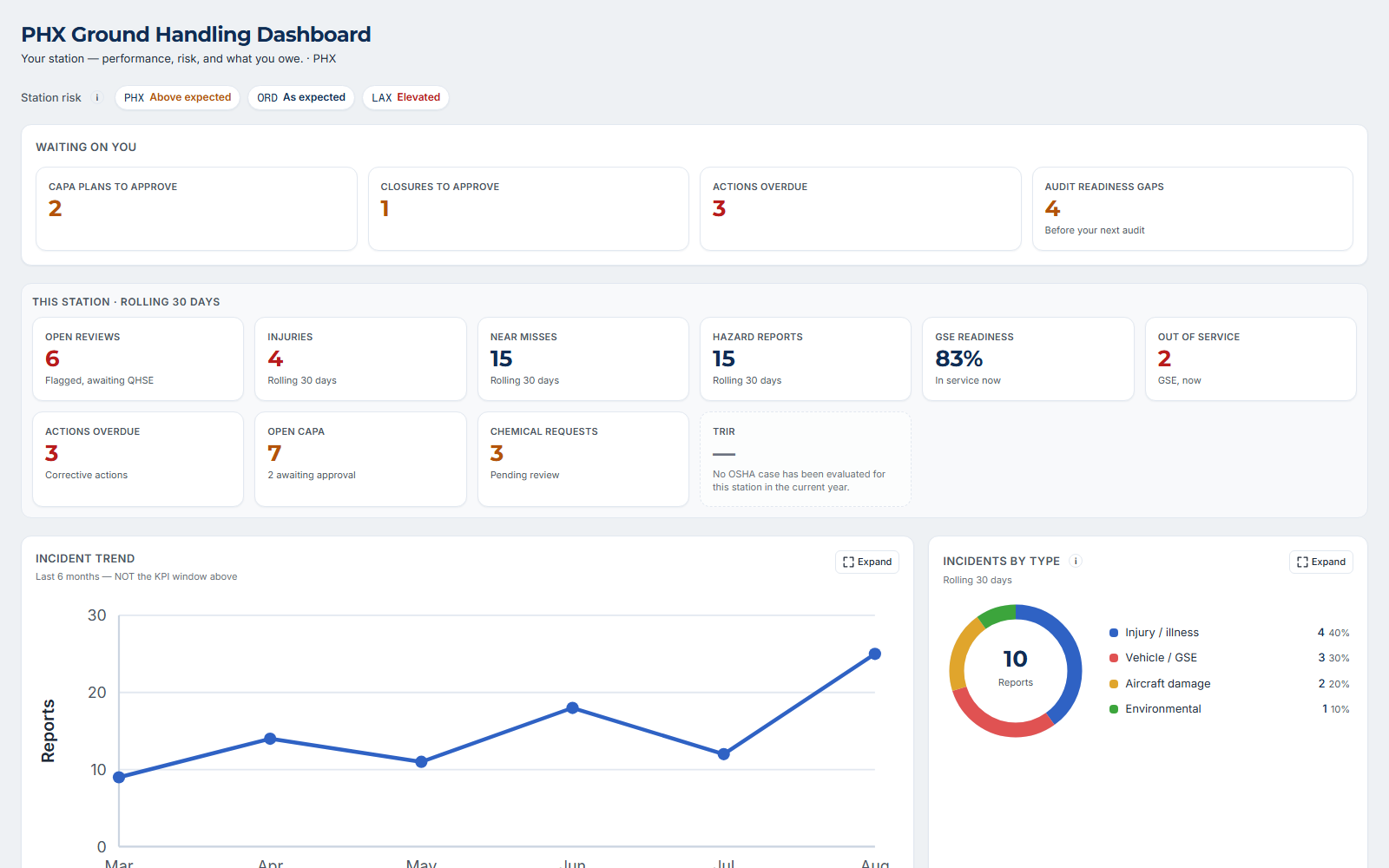
The outgoing supervisor knows about an intermittent equipment fault. The duty manager knows a staffing change affects the next turn. The safety team knows a similar concern was raised elsewhere.
The incoming shift may know none of those things.
Everyone can be working conscientiously while the handover leaves a gap. The task is to transfer unresolved conditions, current controls and responsibility, not simply yesterday's list of events.
Start with what affects the next shift
Ask what has changed across the operation: equipment availability, qualification requirements, staffing, access restrictions, weather, cargo handling or coordination with another team.
Which restrictions remain in force? Does a temporary control depend on a particular arrangement? Is someone waiting for an approval or additional resources?
A useful summary connects those questions to the underlying records without making the next supervisor reconstruct an investigation. It also avoids sharing personal details that the operational decision does not require.
Make the reference survive the conversation
“The tug near the stand” may make sense now. Use an asset, location, event or action identifier that an authorized colleague can follow later.
Record the current status, when it was last confirmed and who owns the next step. Make uncertainty visible rather than allowing an old update to look current.
Apply the same discipline to a revised procedure or staffing constraint. The connection matters beyond equipment.
Keep concern, finding and approval separate
An initial report may describe an unconfirmed concern. An inspection may establish a condition without establishing cause. A completed repair may still need an authorized release.
The incoming team should not have to infer permission from a green tile or assume that silence means a restriction disappeared.
Use your operation's procedures and authority arrangements for the actual decision. AI can help prepare material for review; it cannot confirm equipment fitness or replace the required inspection.
Connect the handover to the wider program
The FAA's four SMS components are safety policy, safety risk management, safety assurance and safety promotion. A handover supports communication and follow-through within that broader program. A checklist or application does not constitute the program by itself.
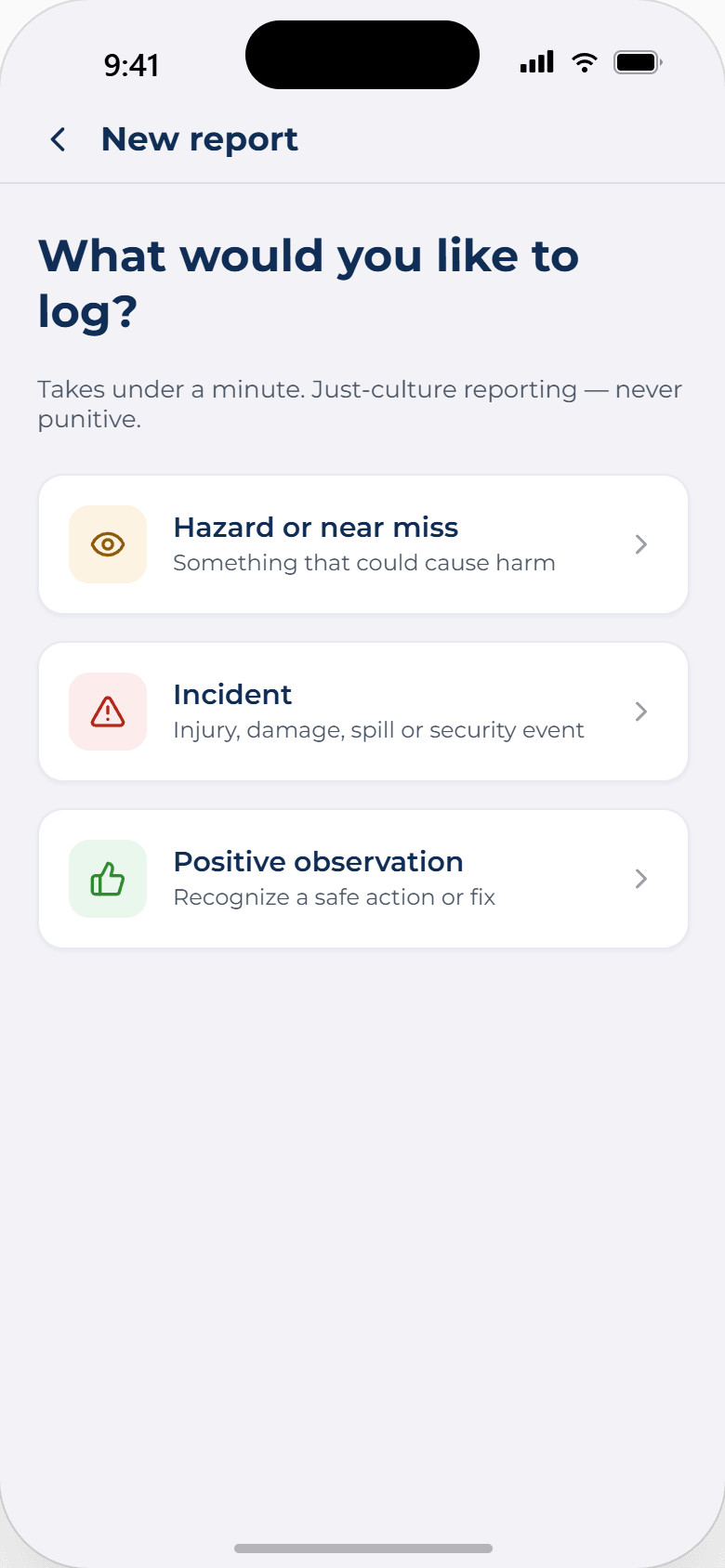
ASIP connects reporting, inspections, investigations, corrective actions and relevant operational records. That context helps authorized people examine an unresolved issue and understand who needs to act.
The same principle applies in a warehouse or transport depot: responsibility can change hands while the condition and action remain traceable.
Test one unresolved issue
Ask the incoming supervisor to find its status, supporting record, next action and authorized decision-maker.
Where do they need another login, a phone call or someone's memory? Start with the most consequential gap.
A reliable handover grows from the decisions it needs to support.