
The Alarm Has Sounded. Who Is Actually on Site?
Examine the gaps between expected attendance, recorded presence and muster verification before your next evacuation drill.

Levi Blount, MSc., CSP, SMP.
Founder & CEO, ASIP Technologies, Inc.2 min read
The employee roster is in one system. Visitors signed a book at reception. A contractor used another entrance. Someone left for an appointment without telling the front desk.
Then the alarm sounds.
Does your accountability process depend on somebody reaching a printer before they leave?
Expected, present and accounted for
A schedule tells you who was expected. It may miss a late arrival, an early departure or a change of building.
An arrival record adds information, but it cannot establish everyone's current physical location. A missing departure can leave someone on the list after they have gone home.
Muster verification answers a different question: who has been accounted for under the site's response procedure?
Keep those distinctions clear. A person reporting that they are safe provides information for the response team to reconcile, not independent confirmation of everyone else's status.
Make the plan usable after evacuation
A paper list can be part of a resilient plan. Depending on a fresh printout after the alarm creates a vulnerability.
Assess how responders obtain information once they have moved to safety. Include power loss, unavailable networks, an unattended reception desk and the absence of the usual roll-call holder.
Do not create a reason to delay evacuation or return to an unsafe area for a log. Establish and test a fallback appropriate to the site.
For US workplaces where the standard applies, OSHA's emergency-action-plan requirements include procedures to account for employees after evacuation. Software alone cannot establish that a plan is adequate or compliant.
Include people beyond the employee roster
Visitors and contractors belong in the accountability conversation. Who arrived, which area were they visiting, and was their departure recorded?
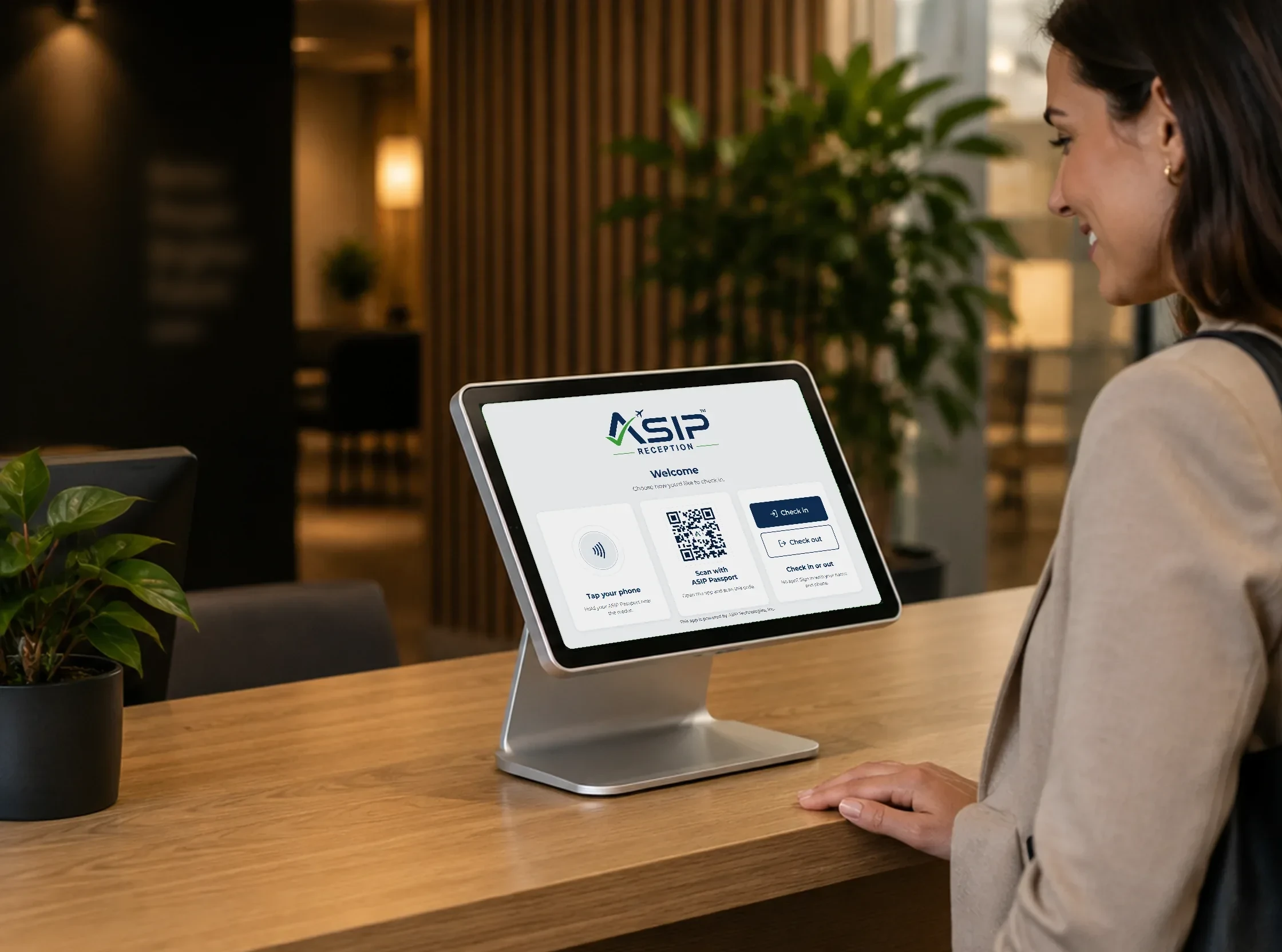
ASIP Reception brings visitor sign-in and evacuation roll call into this workflow. The wider ASIP product family can connect relevant information for authorized responders; confirm and test the available workflows for your deployment.
Give responders the information their role requires. A public display does not need visitor contact details or a list of employees.
ASIP Screens is a separate communication surface with crisis-related display functions still planned. It does not replace alarms, emergency procedures or physical accountability, and standalone signage is not a roll-call system.
Test the uncertain cases
During a drill, include a visitor, a contractor working away from reception and an employee who changed buildings.
Ask the accountability team what information is available, what remains uncertain and how they reconcile it safely. Record the gaps and assign improvements.
The useful result is a process people can follow under pressure, including when a device, connection or record is missing.